
Fourteen years, and every image came home
Part 14 of 15 of ./blog.sh v1.0
In 2012 I posted a photo to Instagram. The link still works. The photo doesn't.
If you kept a blog anywhere between 2010 and now, you know the drill. The platform got acquired, or pivoted, or "sunset some legacy infrastructure", and the images you embedded from their CDN quietly turned into grey rectangles. My personal archive goes back fourteen years across Tumblr, Twitter, Mastodon and a couple of other places — and a depressing number of its images now live at addresses that answer with nothing at all.
Here's what I mean, from my own archive. On February 22, 2012, I published a blog post called #53: Messengers of Spring? and embedded its photo straight from Instagram's CDN, the way everyone did back then. This is that link today:
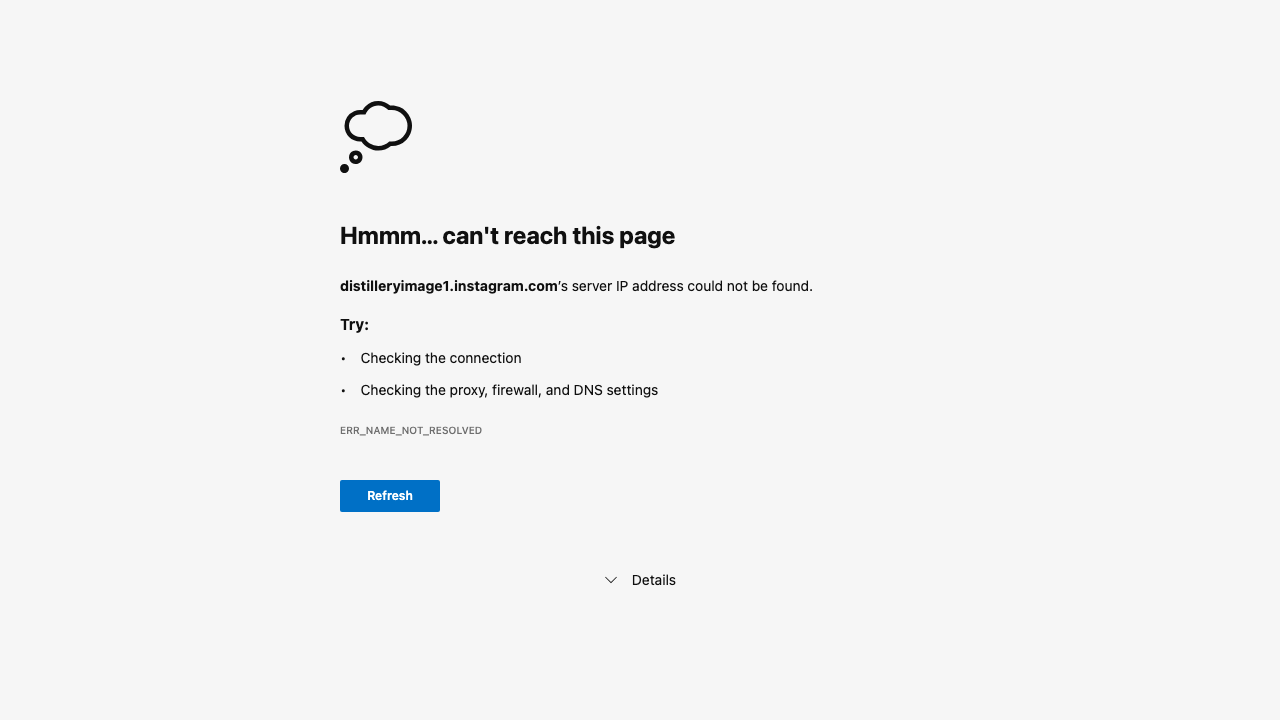
Notice it's not even a polite 404. distilleryimage1.instagram.com doesn't resolve at all — the photo is gone along with the entire piece of infrastructure that used to serve it. The post itself is still alive, imported into this engine, minus the one photo nobody can download anymore.
Here's the uncomfortable part: the post was mine. The photo was mine. The URL never was.
What the importer does about it
./blog.sh ships importers for twenty-two sources, and they all follow one stubborn rule: media comes home. Every image, video and audio file gets downloaded next to its post, into media.nosync/<year>/<slug>/, and the post references the local copy from then on. No hotlinks, no third-party CDN, no "this content is no longer available".
A few details I'm fond of:
- Downloads are measured on arrival. The build refuses to render an image without known dimensions — so the importer simply never writes one.
- Failed downloads get retried. And when a file genuinely can't be fetched anymore, because the source deleted it years ago, you lose that one image — not the post.
- The origin becomes a tag. Import an old Tumblr blog and every post lands tagged
tumblr. Your old blog turns into a browsable archive instead of a zip file in a drawer.
The numbers
From a real migration of a real fourteen-year archive:
| Source | Items in the archive | Notes |
|---|---|---|
| Mastodon | 6,591 | 2,984 replies and 1,059 boosts skipped on purpose |
| Pixelfed | 333 | two accounts, 571 media attachments |
| Tumblr | 1,099 | four separate blogs, importing 1,247 media files that came home with them |
| 5,388 | 2008–2022, with 1,134 replies and 417 retweets in the pile — and 610 media files |
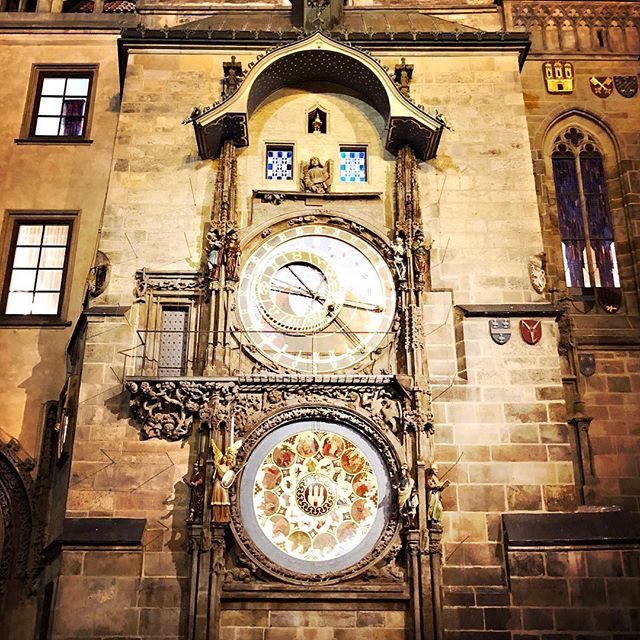
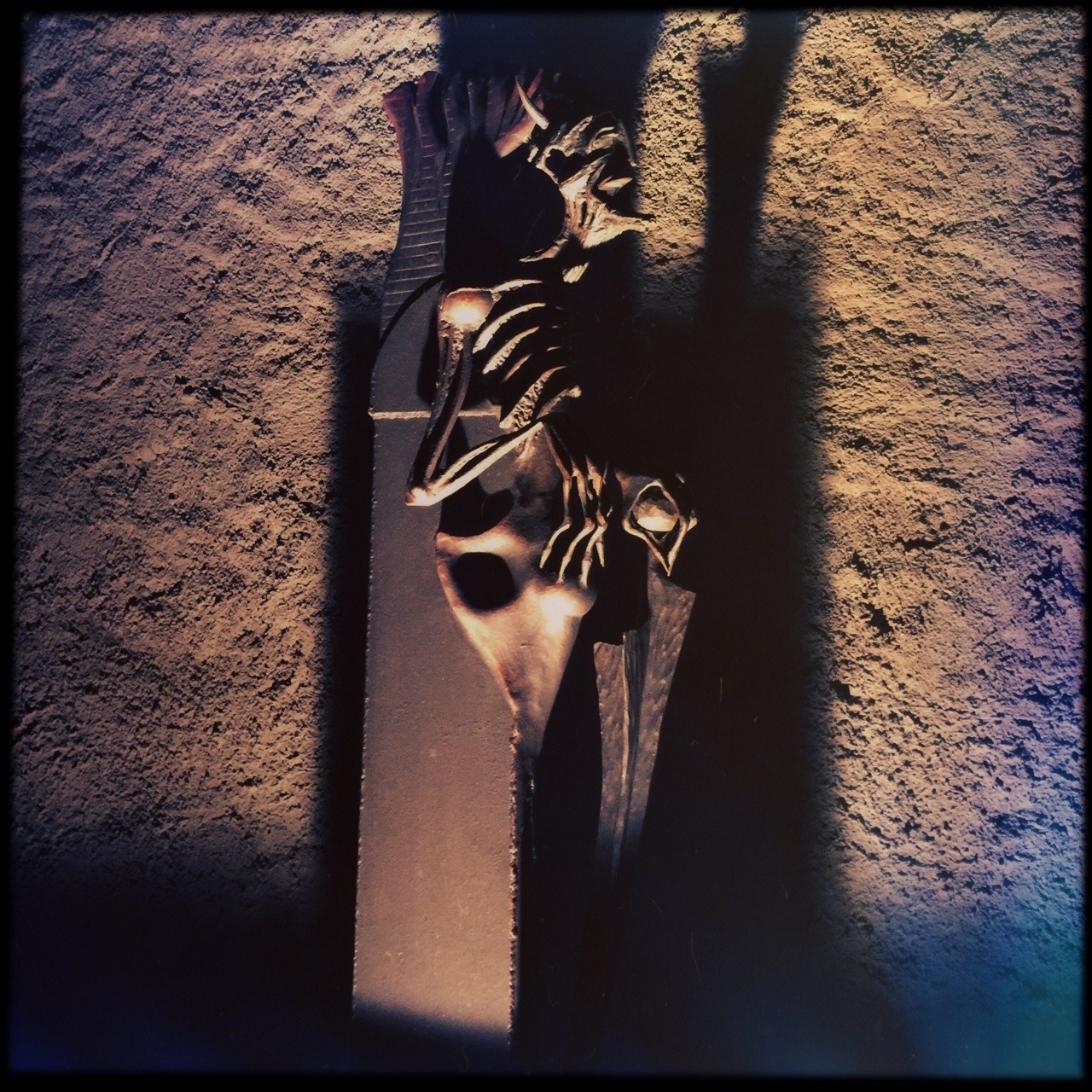
Here's a handful from that archive — photos that spent years on one platform or another, and now live as files next to this post:



The point
None of this is clever engineering. Downloading a file and putting it in a folder is about as advanced as computing gets. The clever part was done by every platform that convinced us it wasn't necessary.
An archive is only yours if the files are yours. Everything else is a lease — and fourteen years is long enough to watch a few landlords disappear.
Comments